

Ōmokoroa is one of the fastest growing areas on our electricity network and meeting future demand through traditional infrastructure would require significant investment.
Powerco, in partnership with the Energy Efficiency and Conservation Authority (EECA), is inviting Ōmokoroa households to take part in a new energy trial that explores smarter ways to use electricity. This trial could help lower costs, make better use of the existing network and reduce pressure during peak times.

What’s involved?
Electricity demand peaks at certain times of the day, especially on winter evenings when many of us are cooking, heating our homes and using hot water at the same time.
Traditionally, our network is built to meet those short peak periods but most of the time, there’s spare capacity available.
This trial is about testing a simple idea, what if we shifted when electricity is used instead of building more infrastructure?
What is ‘a simple shift’?
'A simple shift’ is about using electricity at more practical times of the day without changing your daily routine.
With the help of smart technology, your home can:
- Heat earlier in the day so it’s warm when you arrive
- Store energy to use during peak times
- Automatically adjust when certain appliances run.
Who can take part?
We’re starting with a small number of households in Ōmokoroa, with more opportunities to join in the coming years.
To take part, you’ll either already have smart technology like a home energy management system and residential batteries or be open to installing it. For the first 500 households, support may be available to help with the cost of buying and installing smart kit and connecting it to a participating retailer. Find out more about which types of flex technologies may be eligible for this trial in the FAQs below.
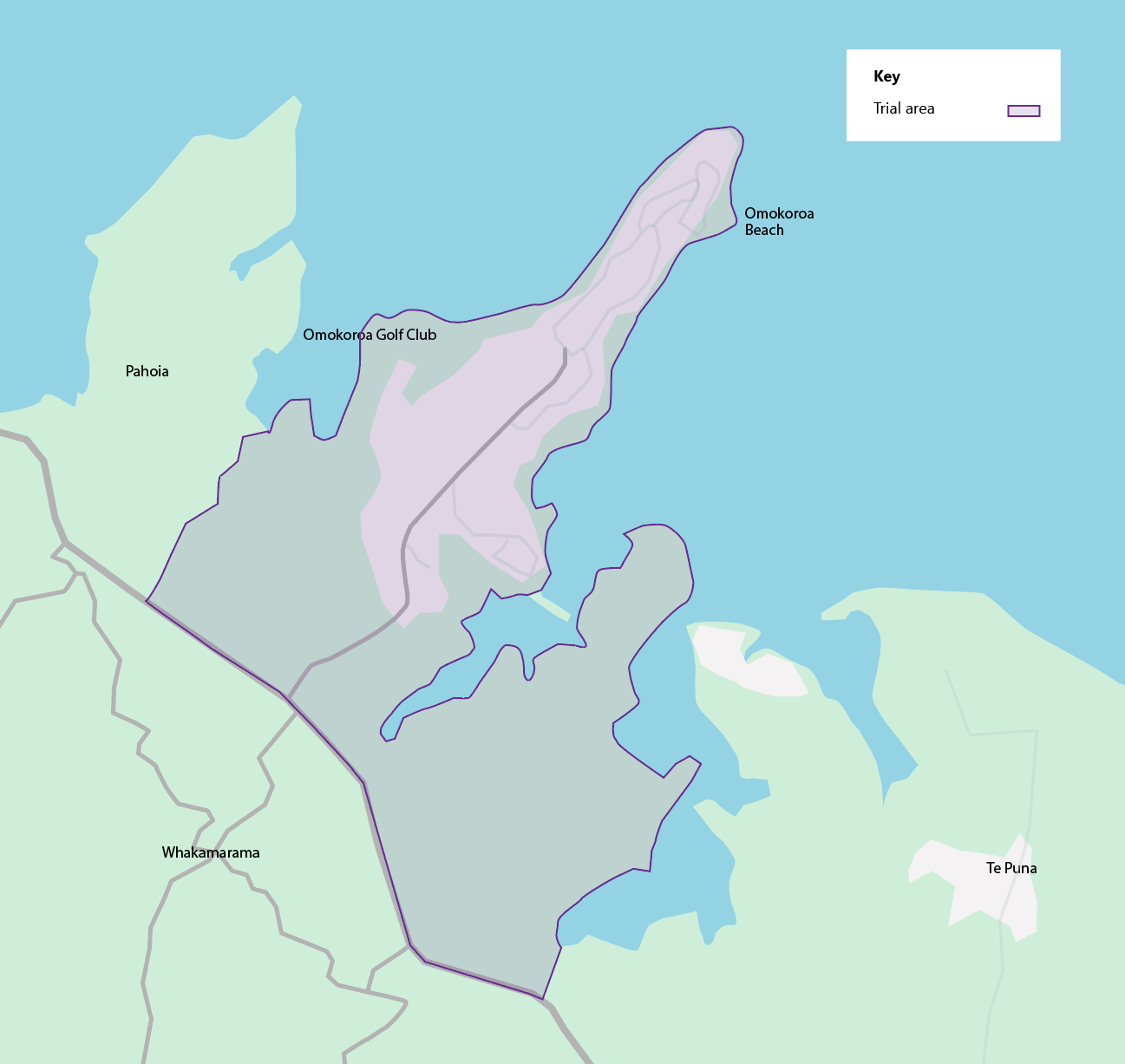
But first, check the map to see whether your home sits within the trial area.
How it works
- We'll help confirm what technology is suitable for the trial.
- Eligible households may receive support to install new systems.
- Your systems will respond automatically at peak times.
- You may be rewarded for shifting your energy use.
After the initial set-up, the trial is designed to be simple and low effort with most changes happening in the background.
Register your interest
We’re starting the trial with a small group in 2026 and expanding over time. Places are limited, so registering your interest early is encouraged. If you’re interested in taking part, please register your details below and we’ll be in touch with next steps.
Need more information? Email us directly at asimpleshift@powerco.co.nz
FAQs
Demand flexibility, often shortened to ‘flex’, means using electricity at different times of the day to reduce pressure on the network during peak periods, eg heating your home earlier in the afternoon instead of when you get home, or charging a battery when demand is low and using it later.
Ōmokoroa is one of the fastest-growing areas on Powerco’s network, with increasing demand for electricity especially during winter evenings. This makes it an ideal place to test whether flexible energy use can help manage peak demand and delay the need for major infrastructure upgrades.
This trial is exploring smarter ways to use electricity by shifting when it’s used, rather than always increasing network capacity by building infrastructure. By testing technologies in real homes, we want to understand how households can help reduce peak demand while staying comfortable and potentially saving on energy costs.
Yes. In New Zealand, hot water control has long served as a technology that enables shifting demand from peak. In the United States and the United Kingdom, a range of technologies are now being used. Globally, it’s still early days for flex and smart devices, such as heat pumps and batteries, hence this trial. We want to understand how these new technologies and approaches can work most effectively in a New Zealand setting.
The flex technology has got to the point where we think it’s ready to be used at scale. There is a lot of learning to be done by lines companies, such as Powerco, electricity retailers, flexibility service providers, installers and our customers.
Powerco needs to understand how the technology can be managed as part of its overall network operations, processes and systems. The aim of this trial is to work through all the practical details of how to deploy and manage new technology in the power system for everyone’s benefit.
We think the technology does indeed exist to make the power system work much more efficiently. What we are testing is how to get the technology and the management of the electricity network working together in a coordinated way, as well as understanding how flex technology can unlock further benefits for our customers.
The trial focuses on everyday home technologies that help shift electricity use away from busy winter evening peak times. These include heat pumps, hot water systems, home batteries, home energy management systems (HEMS) and some smart EV charging technology.
You don’t need to already have this technology installed. You can take part if you already have eligible smart technology or if you’re open to installing it as part of the trial.
We’re currently finalising the list of eligible technology kits for the trial. More details on what's included and available incentives will be shared soon.
Home batteries can store energy when demand is low, such as in the afternoon and can be used later during evening peak times. This helps reduce pressure on the electricity network while still giving households the energy they need.
Some participants in the trial will use smart controls to pre‑heat their homes during winter afternoons so they're warm when they arrive home. This helps reduce the need to turn everything on at once during peak times without changing daily routines. The process happens automatically in the background.
Smart hot water systems can shift when water is heated without affecting shower comfort. EV charging can also be timed to happen outside of peak periods and future vehicle‑to‑grid (V2G) technology may allow EV batteries to support the network during times of high demand.
Once the systems are installed, set up and the household is enrolled, participation is intended to be simple and low effort. The technology is designed to operate automatically in the background, responding to signals during peak periods without requiring day-to-day involvement from customers.
As this is a trial, part of the learning is understanding how well this automation works in real homes and where improvements are needed. Participants may occasionally be asked to share feedback or support troubleshooting if issues arise. Overall, the aim is that daily routines remain largely unchanged while the trial helps test and refine how flex technologies perform in practice.
An important part of this demonstration is learning how flex technologies perform in real homes. To do this, we need access to data that shows how batteries, home energy management systems (HEMS), heat pumps and hot water systems are operating, and how they respond during peak periods. This information helps Powerco understand what works well, what needs improving and how flex can be used to keep future power costs down for everyone.
Because these smart systems rely on connectivity to operate and share data, participating households need to have a reliable wifi connection. It’s important that devices remain connected throughout the trial so they can respond as intended and provide the insights needed for learning. If a home’s router or wifi password changes, the devices will need to be updated, just like other connected devices in the household.
Protecting participants’ privacy is an important part of this trial. By enrolling in this trial, a participant will need to consent to Powerco, EECA and research partners, using their data and energy consumption profiles for the purpose of this trial, in accordance with the New Zealand Privacy Act 2020. The data collected from participating homes will, before it is disclosed by Powerco to any third party, be anonymised, meaning it cannot be traced back to an individual household.
The data gathered from participating households will remain valuable for analysis and learning, even if a household chooses to exit the trial before its completion or after the trial has ended. This continued use of data enables Powerco, EECA and research partners to further understand how flexible energy systems perform and where improvements can be made. However, once the trial concludes, the process of collecting new data from households will cease.
The Ōmokoroa trial is scheduled to run for approximately three years, with the aim of having completed a small number of household installations and enrolments before 1 July 2026. Progressively, we aim to grow the group of trial participants to full capacity for the winters of 2027 and 2028.
Once the Ōmokoroa trial concludes, households can keep installed equipment like batteries or home energy management systems (HEMS), enabling continued benefits and independent use after the trial ends. Households may still benefit from any available Network Assistance Rates (NARs).
Depending on how your home is setup, you may benefit from:
-
Lower electricity costs
-
Incentives to install new technology
-
Rewards for shifting your energy use
-
More insight into how your home uses energy